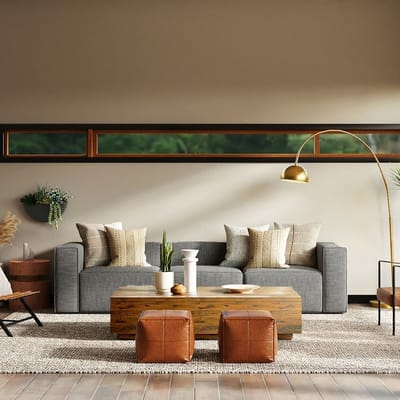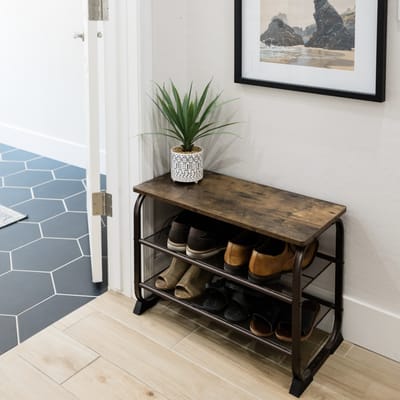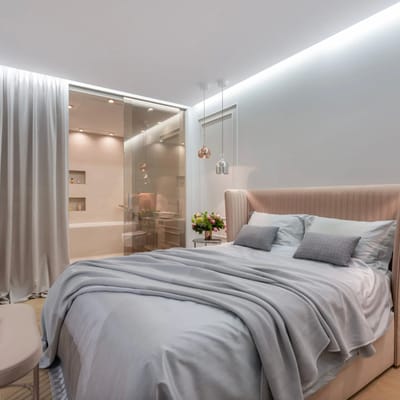
A matching furniture set is easy to buy, but repeating the same finish, height and visual weight can make a room feel like a showroom. Cohesion does not require duplication. The stronger approach repeats a few design signals while allowing pieces to differ in age, shape, texture and material.

Choose three repeating signals
Pick a limited palette, one recurring shape and one metal or wood tone. These threads can appear in small doses across the room. They give the eye connections without forcing every piece to belong to the same collection.
Vary silhouette and height
Pair a blocky sofa with a lighter-legged chair, or a round side table with a rectangular coffee table. Keep sightlines open where people enter. A room becomes more interesting when outlines change but proportions still support use.
If this is a recurring friction point, compare textured throw pillow covers neutral by dimensions, materials and cleaning requirements rather than rating alone.
Balance visual weight
Dark, solid furniture appears heavier than pale, open or glass pieces. Distribute weight around the room instead of collecting every bulky item on one wall. Leave negative space so individual shapes can be read.
Mix wood tones with intention
Wood does not need to match exactly. Identify the dominant undertone, then repeat each secondary tone at least twice. A rug, textile or painted piece can mediate between contrasting finishes.
Let textiles do the joining
Curtains, pillows and rugs can carry colors across unrelated furniture. Mix texture more freely than pattern, then keep one or two quieter areas for rest. Removable covers make experimentation lower risk.
A well-chosen living room accent table wood can make the routine easier, but only after you know the exact problem it needs to solve.
Use art as a composition anchor
Art can establish color and scale for the entire room. Hang it in relationship to the furniture below rather than floating near the ceiling. A large piece or tight gallery grouping usually feels more deliberate than many isolated small frames.
Edit accessories by story
Group objects with a connection—material, travel, craft or color—and vary height within the group. Empty surface space is part of the arrangement. Rotate pieces instead of displaying every possession at once.
Buy the missing function, not the matching piece
Before shopping, name the problem: extra reading light, a place for a drink, hidden storage or softer acoustics. Compare dimensions and function first. A useful contrast often improves the room more than another coordinated item.
A practical buying checklist
- Measure the space or task before ordering.
- Choose materials that tolerate the expected moisture, heat or wear.
- Prefer replaceable parts and clear care instructions.
- Check return terms and compatibility with tools you already own.
- Buy one solution, test it, then expand only if it works.
For the finishing pieces, browse large wall art neutral and compare the useful details that affect daily use. You can also explore related products in Home Décor.
Common mistakes to avoid
Do not solve an observation problem with more storage, more product or more power. Start with the smallest reversible change, test it under normal conditions and keep safety instructions visible. Avoid buying a complete system before dimensions and habits are understood. The most profitable purchase is often the one that prevents waste, protects existing equipment or saves repeated setup time.
The seven-day test
Use the new setup for one ordinary week. Note where the routine still slows down, what never gets used and what is difficult to clean or return. Move one item at a time, then photograph the final arrangement. A system that survives a busy day is more valuable than one that looks perfect immediately after organizing.
Final takeaway
Matching Furniture Is Making Your Room Feel Flat becomes easier when the environment supports the sequence of work. Observe first, make one focused change and let real use guide the next decision. Thoughtful products can remove friction, but the routine—not the shopping list—is what creates lasting results.