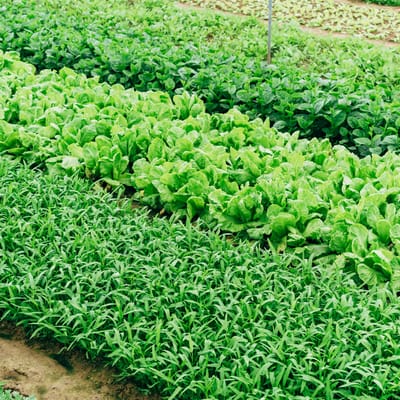
A raised bed that produced well last year can struggle after repeated harvests, settling and uneven watering. Replacing every inch of soil is usually unnecessary. Diagnose the specific limit, protect the structure and rebuild the top layer with measured additions instead of guessing with bags and bottles.

Clear and observe
Remove crop debris and weeds, noting where growth was weak or water pooled. Healthy disease-free material can be composted; dispose of diseased plants according to local guidance. Check the bed walls, fasteners and irrigation before adding weight.
Check drainage and compaction
After watering, note how quickly moisture moves through the profile. Gently probe several locations. Compaction near paths or corners can create uneven roots, but deep aggressive tilling may damage soil structure and organisms.
If this is a recurring friction point, compare raised garden bed soil test kit by dimensions, materials and cleaning requirements rather than rating alone.
Use a soil test
A basic test can guide pH and nutrient decisions. Sample several spots, mix them and follow the laboratory or kit instructions. Do not add lime, sulfur or concentrated fertilizer solely because a plant looked unhappy.
Restore organic matter modestly
Spread finished compost in a measured layer and blend only as needed into the surface. Compost improves structure and water behavior, but it is not identical to topsoil and excessive amounts can raise nutrient or salt levels.
Correct the settled level
Use an appropriate soil or raised-bed blend when significant volume has been lost. Leave headroom for mulch and watering. Avoid filling against untreated materials that may deteriorate or using unknown soil that could contain contaminants.
A well-chosen drip irrigation kit raised bed can make the routine easier, but only after you know the exact problem it needs to solve.
Rebuild the watering pattern
Run irrigation and look for clogged emitters, leaks and dry pockets. Group crops with similar needs and position lines near root zones. Mulch reduces evaporation, but keep it away from stems that are sensitive to constant moisture.
Rotate plant families
Changing crop families can reduce repeated nutrient demand and some pest cycles. Keep a simple bed map and avoid crowding. Rotation is helpful but does not replace sanitation, resistant varieties or local pest guidance.
Make a seasonal maintenance plan
Top-dress based on test results, inspect irrigation monthly and record what grows well. A small annual reset is easier and less expensive than rescuing exhausted soil after several seasons.
Choose amendments from evidence
Use soil-test results, drainage observations and the bed’s settled depth to decide what to add. Finished compost, suitable soil blend, mulch and irrigation parts solve different problems; more of everything is not a soil plan.
A compost screen can remove coarse unfinished material before top-dressing. Browse Patio, Lawn and Garden products after measuring the bed and checking material compatibility.
Your seasonal raised-bed reset
- Remove weeds and diseased debris.
- Inspect walls, fasteners, drainage and irrigation.
- Sample soil from several locations before testing.
- Add measured amendments and leave room for mulch.
- Record crop families, weak areas and watering changes.
Final takeaway
Tired raised-bed soil rarely needs to be discarded wholesale. Diagnose drainage, compaction, nutrient balance and lost volume separately, then make measured corrections. A small annual reset preserves the bed and prevents expensive guesswork.