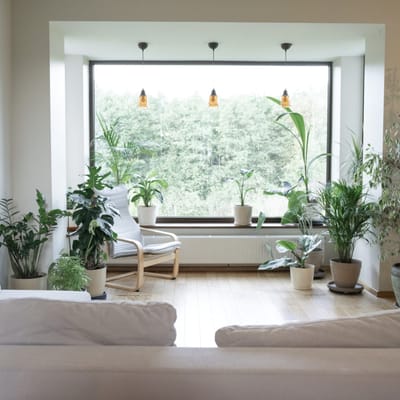
A beautiful plant shelf is not a collection of pots pushed toward a window. It is a small living system: light, access, drainage, airflow and a maintenance route that works without moving twenty objects.

Map the light before buying shelves
Observe the room at several times of day. Direct sun, bright indirect light and deep shade are not interchangeable. Window direction, nearby buildings, curtains and seasons change exposure. Choose plants for the available light instead of trying to force a favorite species into a dark corner.
A basic plant light meter can help compare locations, but it does not replace species-specific guidance. Record readings and plant response over time.
Build from the floor up
Place heavy pots low and lighter pots higher. Anchor tall plants near the sides rather than creating a top-heavy center. Shelves must be rated for the combined weight of wet soil, containers and water. Secure freestanding furniture where tipping is a risk, especially around children and pets.
Create waterproof layers
Every pot needs a drainage strategy. A decorative cachepot can hide a nursery pot, but excess water must be emptied. Use saucers sized wider than the base and add washable shelf liners. Never allow water to sit against wood, drywall or electrical cords.
Compare waterproof shelf liners and plant saucers by actual dimensions. Clear protectors preserve the look of shelving while making leaks visible.
Use height without blocking care
Risers create layers and help smaller plants reach light, but every pot should remain removable without disturbing its neighbors. Keep leaves away from hot bulbs and radiators. Leave space for air movement so crowded foliage does not stay wet after watering.
Choose grow lights carefully
When natural light is insufficient, a timer-controlled LED grow light may help. Match coverage and distance to manufacturer guidance and plant needs. Brightness that looks strong to people may not provide useful plant light at the leaves.
Compare full-spectrum shelf grow lights with timers. Look for secure mounting, adjustable output and a timer that resumes reliably after power interruption. Route cords with drip loops and keep plugs dry.
Design a watering route
Group plants with similar watering needs, but do not water every pot on the same schedule by habit. Check soil and species guidance. Carry a small tray or basin for pots that need thorough watering elsewhere. A narrow-spout watering can improves control around dense shelves.
A compact long-spout watering can should be light when full and easy to clean. Avoid oversized cans that encourage splashing or overwatering.
Make maintenance visible
Keep pruners, ties and a cloth in one small caddy. Clean tools according to horticultural guidance, remove dead material and inspect leaf undersides. Sticky residue, webbing, scale-like bumps or sudden leaf decline can indicate pests or stress. Isolate suspicious plants before placing them in a dense display.
Protect pets and children
Many common houseplants can be irritating or toxic when chewed. Verify each species with a reliable veterinary poison-control source before bringing it home. Do not rely on a high shelf if leaves trail down or fallen material remains accessible.
Use the rule of three
Visually, group plants in odd numbers with different heights but repeat one element—pot color, material or leaf shape. Leave negative space. A shelf looks more intentional when each plant has room to be seen.
The monthly shelf reset
- Remove every pot one section at a time.
- Clean saucers and liners.
- Check furniture fasteners and wall anchors.
- Rotate only plants that benefit from it.
- Review light as the season changes.
- Move struggling plants to better conditions rather than disguising decline.
Shop for the system
Browse Patio, Lawn and Garden products after measuring the shelf and mapping light. The useful purchases are structural: stable stands, suitable lights, controlled watering and protection from moisture. Decorative accessories come last.
Final takeaway
The best indoor plant display is easy to water, inspect and clean. Map light, protect surfaces, respect weight limits and leave breathing room. When care works smoothly, the styling takes care of itself.